

Healthy Snacks for GLP-1 Users That Actually Work
Quick Summary
Healthy snacks for GLP-1 users should prioritize protein and fiber, since a smaller appetite makes every bite count. Good choices include Greek yogurt, cottage cheese, hard-boiled eggs, edamame, and fruit or vegetables paired with a protein source. Small portions eaten several times a day are easier to finish than large meals.
- A 5.3-ounce container of plain Greek yogurt provides roughly 15 to 17 grams of protein.
- Half a cup of cottage cheese delivers roughly 12 to 14 grams of protein.
- Increase fiber gradually over a week or two and pair it with enough fluids to avoid constipation.
- Bland, cool, low-fat snacks like plain yogurt, crackers, or a banana often sit better when nausea is present.
- Check with your prescriber or pharmacist before adding any supplement, especially if you take other medications.
Table of Contents
- Why Snack Choices Matter More on a GLP-1 Medication
- High-Protein Snacks for GLP-1 Users When Appetite Is Low
- Fiber, Fruit, and Vegetable Snacks That Support Fullness
- Managing GLP-1 Side Effects Through Diet and Snack Timing
- Portion Sizes, Protein Targets, and Portable Snack Planning
- Safe Supplements to Take With Semaglutide and Tirzepatide
- Dietary Restrictions, Medication Questions, and Individualized Guidance
- Building Your Snack Routine Around Your Next Appointment
- Frequently Asked Questions
Why Snack Choices Matter More on a GLP-1 Medication
Last Updated: November 9, 2026
Healthy snacks for GLP-1 users are not just a nice-to-have. When semaglutide or tirzepatide quiets your appetite, the snacks you choose become one of the few reliable ways to get protein, fiber, and micronutrients into your day. Many people on these medications find that small nutrition gaps add up quickly.
GLP-1 medications slow stomach emptying and reduce hunger signals (the FDA). Many people find they can only manage small portions, and some days a full meal feels impossible. For more ways to hit your protein targets with a low appetite, see practical ways to hit protein targets. That makes every snack count. A snack that is mostly refined carbohydrate or sugar can leave you full without giving your body the protein it needs to hold on to muscle during rapid weight loss.
The problem is not only how much you eat. It is what you eat. Snacks built around protein and fiber tend to be more filling per bite and easier to tolerate when your stomach feels sensitive. They also give you a practical way to cover nutritional needs that a smaller appetite can make harder to meet.
Here is what this guide covers: protein-forward snacks for low-appetite days, fiber and produce choices that support fullness, diet and timing strategies for common side effects, portion and planning tips, a closer look at supplements, and guidance on restrictions and appointments. Our goal is to give you options you can actually use, not a list of foods that sounds good on paper.
High-Protein Snacks for GLP-1 Users When Appetite Is Low
Protein is the nutrient to prioritize first. Small, protein-rich snacks are easier to finish than large meals and help you hit daily targets even when hunger is low. The practical question is not whether to eat protein but how much you get per bite, because a smaller appetite means fewer opportunities to eat.
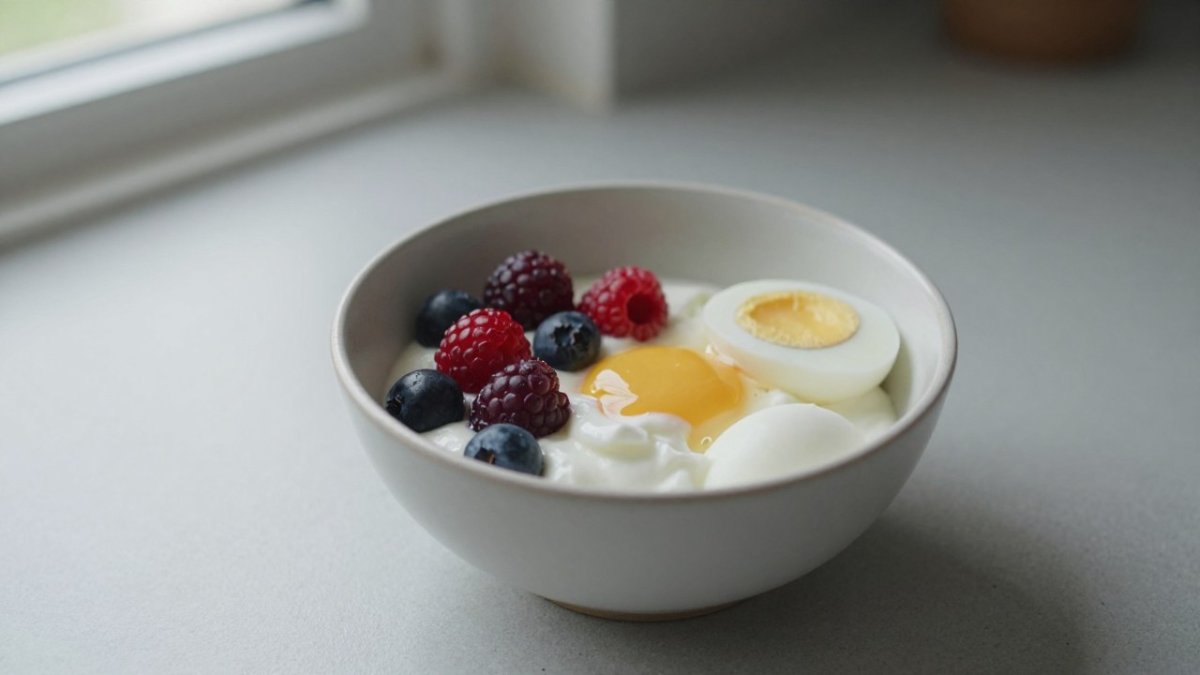
A useful reference point: a 5.3-ounce container of plain Greek yogurt delivers roughly 15 to 17 grams of protein, one large hard-boiled egg about 6 grams, a one-ounce stick of string cheese about 7 grams, and a half-cup of shelled edamame about 9 grams. Cottage cheese is one of the most protein-dense options per spoonful, at roughly 12 to 14 grams per half-cup. Keeping those numbers in mind helps you see whether a snack is actually moving your daily total or just filling space.
Good animal-based options include Greek yogurt, cottage cheese, hard-boiled eggs, string cheese, and thinly sliced turkey or chicken roll-ups. Each is compact, requires no cooking, and can be stored for later. Salmon from a pouch works well when you want something with more flavor and adds omega-3 fats. If dairy sits heavily, lactose-free cottage cheese and yogurt are widely available and deliver the same protein.
Plant-based eaters have strong choices too. Edamame, roasted chickpeas, lentil-based snacks, and tofu cubes all deliver protein with fiber. Soy yogurt is another option for people avoiding dairy, though protein content varies by brand, so compare labels rather than assuming. A half-cup of chickpeas offers about 7 grams of protein plus roughly 6 grams of fiber, which makes legumes one of the few snacks that hit both targets at once.
A practical tip: pair protein with something light and easy to tolerate. A few crackers with cheese or yogurt with a little fruit is often easier than a bare protein serving on a queasy day. On days when even a small portion feels like too much, a half-serving still counts; a few spoonfuls of cottage cheese or half a shake is better than skipping entirely.
Protein shakes can fill gaps too. Afterglow's Hold Performance Whey Protein Blend is available in Chocolate ($55.00) and Vanilla ($55.00), each providing 22 grams of protein per serving, mixed with cold water. Shakes can be useful on days when chewing feels like too much work.
Watch out: very high-protein snacks can feel heavy or slow to digest when stomach emptying is delayed, so start with smaller portions and see how you respond before making a larger serving your default.
The article gives per-serving protein figures for common snacks, which makes the options easy to compare at a glance.
| Snack | Serving | Protein (approx.) |
|---|---|---|
| Plain Greek yogurt | 5.3 oz container | 15-17 g |
| Cottage cheese | Half cup | 12-14 g |
| Edamame, shelled | Half cup | 9 g |
| String cheese | 1 oz stick | 7 g |
| Chickpeas | Half cup | 7 g |
| Hard-boiled egg | 1 large | 6 g |
Protein (approx.)
Fiber, Fruit, and Vegetable Snacks That Support Fullness
Fiber slows digestion and helps you feel satisfied longer. Choosing fiber-rich snacks can make a small appetite go further.
Apples, berries, pears, and oranges offer fiber along with vitamins and water. Pair fruit with a protein source, such as an apple with peanut butter or berries with Greek yogurt, to balance blood sugar and fullness.
Vegetables work well as snacks too. Baby carrots, cucumber rounds, bell pepper strips, and steamed broccoli are easy to prepare ahead. Leafy greens can be added to smoothies or wraps.
Nuts and seeds bring healthy fats and some fiber, but portions matter. A small handful goes a long way in calories, so measure before you snack.
Managing GLP-1 Side Effects Through Diet and Snack Timing
Nausea, bloating, constipation, reflux, early fullness, and fatigue are common on GLP-1 medications. Snack choices cannot treat these symptoms, but they can make eating easier or harder depending on how you match the food to what you are feeling. This is the part most food lists skip: the same snack that works well on a good day can be the wrong choice on a bad one.
When nausea is the main issue, bland, lower-fat, lower-odor options tend to sit better. Plain yogurt, a banana, crackers, toast, or a few bites of applesauce are common starting points. Greasy, fried, or very rich foods often make nausea worse, and strong smells can trigger it before you take a bite, so cold or room-temperature snacks are sometimes easier than hot food.
For constipation, fiber and fluids are the main tools. Fruits, vegetables, and legumes support regularity, but the mechanism matters: fiber needs water to move through the gut, so increasing fiber without increasing fluids can backfire. Increase fiber gradually over a week or two rather than in a single day, and favor a mix of soluble fiber (oats, apples, beans) and insoluble fiber (vegetables, whole grains).
Reflux or heartburn calls for a different adjustment. Smaller, more frequent snacks, avoiding large volumes close to bedtime, and choosing lower-fat options over fried or creamy ones are common strategies. Early fullness is its own pattern: when a few bites feel like a full meal, the goal shifts from finishing a serving to eating small amounts more often, and nutrient-dense bites matter more than volume.
Timing matters as well. Many people do better with several small snacks spread across the day than with large meals, but there is no single schedule that fits everyone. A common pattern is a small protein snack mid-morning and mid-afternoon, with meals kept smaller, then adjusted based on how the day actually feels.
If you notice symptoms after certain foods, keep a simple log for a week noting what you ate, when, and how you felt. Patterns often appear quickly, and the log becomes useful information for your prescriber or a registered dietitian.
Watch out: a sudden jump in fiber or fat can worsen GI side effects, so make changes one at a time so you can tell what helps and what does not.
Portion Sizes, Protein Targets, and Portable Snack Planning
Protein targets vary by body size, activity level, and medical advice, so talk with your clinician about your personal goal. As a general planning idea, many people aim to spread protein across the day rather than eat most of it at dinner.
Portion guidance is helpful when appetite is small. A typical snack might be about one-half cup of Greek yogurt, two hard-boiled eggs, or a one-ounce serving of cheese. These portions are easy to carry.
Portable planning saves effort on busy days. Keep single-serve containers, pre-washed fruit, and shelf-stable protein options in your bag, desk, or car. Preparing two or three snacks each morning often works better than trying to eat well after you are already hungry.
Safe Supplements to Take With Semaglutide and Tirzepatide
Supplements can fill specific gaps, but they should never replace a balanced diet or medical advice. Before adding any product, check with your prescriber or pharmacist, especially if you take other medications.
Afterglow's Ease: GLP-1 Support ($60.00) is designed for digestive comfort and nutrient support. It combines magnesium, probiotics, digestive enzymes, and botanical extracts such as ginger and peppermint, along with B vitamins, zinc, iron, biotin, and vitamin D3.
Our statements have not been evaluated by the Food and Drug Administration, and our products are not intended to diagnose, treat, cure, or prevent any disease.
Dietary Restrictions, Medication Questions, and Individualized Guidance
Not every snack suits every person. Vegetarians, vegans, people with dairy or gluten sensitivities, and people with diabetes all need different swaps. Plant-based protein from legumes, tofu, and soy yogurt can replace animal sources. Lactose-free dairy or fortified plant milks can replace regular dairy. Check labels for hidden gluten or added sugars.
Individual needs vary widely. Kidney disease, eating disorder history, pregnancy, and other conditions all change what is appropriate, so bring your questions to your care team.
Building Your Snack Routine Around Your Next Appointment
Use your next appointment as a checkpoint. Bring your symptom log, your typical snack list, and any questions about protein targets or supplements. Ask which side effects to report and which nutrients your clinician wants you to monitor.
Between appointments, start with two or three protein-forward snacks and one fiber choice each day. Adjust based on how you feel. Small, consistent steps usually work better than a dramatic overhaul.
If you are ready to add targeted support, explore the Afterglow collection. Shop the collection to find formulas designed for life on and after GLP-1 medication.
Frequently Asked Questions
What are some good GLP-1 snacks I can eat on the go?
Portable options that work well include hard-boiled eggs, string cheese, single-serve Greek yogurt cups, roasted chickpeas, apple slices with a spoonful of nut butter, and turkey roll-ups. Keep portions small and pair protein with a little fiber. If you want a quick protein boost between meals, a ready-to-mix whey shake such as Afterglow's Hold Performance Whey Protein Blend (22 g protein per serving, $55.00) can fill the gap when you do not feel like eating solid food.
Can I take supplements alongside semaglutide?
Many people on semaglutide or tirzepatide add supplements to cover nutrients they may eat less of, but you should check with your prescriber or pharmacist before starting anything new, especially if you take other medications or have a medical condition. Afterglow's Ease: GLP-1 Support ($60.00) includes magnesium, probiotics, digestive enzymes, and B vitamins. Its label warns that it is not intended to diagnose, treat, cure, or prevent any disease, so it should complement, not replace, medical guidance.
Are there snacks that help with GLP-1 side effects like nausea?
Many people find bland, low-fat, protein-forward snacks easier to tolerate than greasy or very sweet foods. Crackers with cheese, plain yogurt, and small portions of fruit are common choices. Eating slowly and stopping when you feel full can also reduce discomfort. If nausea is persistent or severe, contact your healthcare provider rather than relying on snacks alone.
What should I look for in a snack label when taking GLP-1 medications?
Look for at least 10 grams of protein per serving where possible, 3 or more grams of fiber, and a short ingredient list. Watch added sugar and total fat, since high-fat or high-sugar foods can worsen nausea for some users. Third-party testing and clear ingredient disclosure are also useful signs of quality, which is why Afterglow highlights its third-party tested, no-proprietary-blend formulas.
