

Supplements for Hair Loss on GLP-1: A Complete Guide
Last Updated: October 23, 2026
Quick Summary
Supplements for hair loss on GLP-1 address nutrient depletion caused by rapid weight loss, which triggers telogen effluvium, a temporary shedding phase. Essential nutrients include biotin, iron, zinc, folate, vitamin B12, and vitamin D, combined with adequate protein intake and hydration to restore follicle health and reduce shedding.
- Hair shedding on GLP-1 peaks around 3-4 months and is reversible once nutrient balance is restored.
- Biotin (5000 mcg), iron (ferrous bisglycinate), zinc, folate, and B12 are foundational nutrients for hair follicle health during weight loss.
- Combine oral supplements with topical treatments and adequate protein intake for fastest visible improvement in hair density.
- Start supplementing before beginning GLP-1 or immediately upon starting to minimize shedding severity.
- If shedding doesn't improve after 12 weeks of consistent supplementation, see a dermatologist to rule out other conditions.
Table of Contents
- Why GLP-1 Medications Cause Hair Loss
- Understanding Telogen Effluvium After Weight Loss
- Essential Nutrients for Hair Follicle Health During GLP-1 Treatment
- Hair Thinning on Ozempic: Targeted Supplement Strategies
- Topical vs. Oral Supplements for Hair Regrowth
- Supporting Hair Health During and After GLP-1 Use
- When to See a Dermatologist or Endocrinologist
- Conclusion
- Frequently Asked Questions
Why GLP-1 Medications Cause Hair Loss
GLP-1 medications like semaglutide and tirzepatide have transformed weight management, but hair loss remains one of the most visible side effects, making supplements for hair loss on GLP-1 an important consideration for many users.
Rapid weight loss depletes essential nutrients and triggers physiological changes: your metabolism prioritizes survival, and hair gets deprioritized. This is telogen effluvium, a temporary shedding triggered by systemic stress. The good news: targeted nutritional support can significantly minimize hair loss during GLP-1 treatment.
Shedding typically peaks around the 3-4 month mark, when nutrient depletion is most pronounced. Addressing deficiencies early, ideally before starting GLP-1 or immediately upon starting, can reduce hair thinning severity.
Understanding Telogen Effluvium After Weight Loss
Telogen effluvium describes a shift in the hair growth cycle. Hair cycles through anagen (active growth), catagen (transition), and telogen (resting); normally about 85% is in anagen at any time.
Metabolic stress from rapid weight loss is the primary trigger.
Timing matters. Shedding typically appears 6-12 weeks after starting GLP-1, matching the hair growth cycle. Hairs that shift into telogen don't fall out right away, they shed once fully in the resting phase.
Telogen effluvium is reversible. Once nutrient balance is restored and metabolic stress decreases, follicles return to their normal growth cycle, with new hair growing within weeks of addressing deficiencies.
Essential Nutrients for Hair Follicle Health During GLP-1 Treatment
Hair follicles are metabolically demanding and require a precise combination of vitamins, minerals, and amino acids.
The foundational nutrients are biotin, iron, zinc, folate, vitamin B12, and vitamin D. Biotin supports keratin production. Iron carries oxygen to follicles. Zinc regulates sebum and prevents follicle inflammation.
Afterglow's Renew formula addresses these gaps with biotin (5000 mcg), folate (1496 mcg DFE), vitamin B12 (12 mcg), zinc (7 mg), and iron (14.5 mg), plus horsetail, fo-ti, and bamboo extracts to support hair structure and scalp health.

Iron Deficiency and Hair Loss: Why Testing Matters
Iron deficiency is one of the most common gaps during rapid weight loss and is directly linked to shedding. Iron is essential for hemoglobin, which carries oxygen to follicles; without it, follicles can't sustain active growth. On GLP-1, reduced intake means fewer dietary iron sources, particularly bioavailable heme iron from meat.
Standard blood work only measures serum iron or hemoglobin. Ferritin is your stored iron, it depletes before hemoglobin drops. Ask your doctor for a ferritin test.
Iron supplementation requires care, too much causes constipation and GI upset, problems you're likely already managing on GLP-1. Bisglycinate chelate iron is highly absorbable and minimizes GI side effects. Afterglow's Ease formula includes 18 mg of ferrous bisglycinate chelate.
Biotin for Hair Loss: Dosage and Effectiveness
Biotin is the supplement most people reach for when hair thins, for good reason. Biotin (vitamin B7) is a coenzyme in keratin synthesis, the structural protein in hair, skin, and nails. Without adequate biotin, your body cannot produce strong hair even if all other nutrients are present. On GLP-1, biotin depletes rapidly due to reduced food intake.
How much biotin do you need? Afterglow's Renew contains 5000 mcg (5 mg) per serving.
Biotin works best as part of a complete nutrient system. Taking it alone while deficient in iron, zinc, or folate may produce minimal results. You may notice improvement within 8-12 weeks of consistent biotin use, especially if other gaps are addressed simultaneously.
Hair Thinning on Ozempic: Targeted Supplement Strategies
Hair thinning on semaglutide (Ozempic) follows the same nutrient depletion pattern, but weight loss on Ozempic can be particularly aggressive, accelerating depletion. Many people report noticeable thinning within the first 3-4 months.
The strategy for Ozempic-related thinning is threefold: address foundational nutrient gaps with supplements for hair loss on GLP-1; add topical support for existing hair and scalp health; optimize protein intake.
Afterglow's Grow peptide hair serum complements oral supplementation with sh-Polypeptide-1 and sh-Oligopeptide-10, which support the appearance of thicker, more voluminous hair, plus eucalyptus and rosemary extracts that nourish the scalp.

Protein is critical and often overlooked.
Grow: Peptide Hair Growth Serum →
Topical vs. Oral Supplements for Hair Regrowth
The topical-versus-oral debate has a clear answer: you need both. They work through different mechanisms.
Oral supplements can take time to show meaningful improvement as they work to restore depleted stores and support new growth. Once nutrient status is restored, shedding may normalize.
Topical treatments work faster on existing hair. A peptide serum like Afterglow's Grow can improve appearance and scalp health by delivering active compounds directly to the follicle, supporting keratin production.
The optimal strategy combines both. Start comprehensive oral supplementation. Add topical support like Grow if you notice thinning. Together they can produce visible improvement in density and quality.
Supporting Hair Health During and After GLP-1 Use
Hair health on GLP-1 requires more than supplements: a coordinated approach to nutrition, hydration, and stress management.
Protein intake is important: aim for adequate protein daily. If food alone isn't enough, protein shakes can be helpful. Afterglow's Hold is designed to be palatable and easy to digest even with low appetite.

Hydration matters more on GLP-1 than most realize. These medications increase dehydration risk, and dehydration worsens nutrient deficiency because your body can't transport nutrients efficiently without fluid.
Sleep and stress management directly influence hair health. Chronic stress elevates cortisol, accelerating the shift from anagen to telogen, and poor sleep impairs nutrient absorption and recovery.
Post-weight loss maintenance is where many people slip. Once you reach your goal weight and reduce or stop GLP-1, nutrient needs don't immediately return to baseline, hair growth remains compromised for months.
When to See a Dermatologist or Endocrinologist
Hair loss during GLP-1 treatment is usually manageable with targeted supplementation, but some situations warrant professional evaluation. If you're losing more than 100-150 hairs daily or noticing bald patches rather than general thinning, see a dermatologist.
If you've supplemented consistently for 12 weeks with no improvement, seek evaluation.
Involve your endocrinologist, because thyroid function affects hair growth. GLP-1 medications can influence thyroid function, and thyroid imbalance is a common cause of hair loss separate from nutrient deficiency.
Also discuss your supplement protocol with your endocrinologist or prescribing physician. Some supplements can interact with medications or affect GLP-1 absorption. Your doctor can advise on timing and dosing.
Conclusion
Hair loss on GLP-1 medications is frustrating, but manageable with the right nutritional approach. The shedding is a symptom of nutrient depletion and metabolic stress, both addressable. Combine comprehensive oral supplementation with topical support, optimize protein intake, and maintain hydration to support hair health.
Afterglow's system, Renew for foundational nutrient support and Grow for topical scalp health, is designed for this situation. Renew addresses the core deficiencies driving telogen effluvium with biotin, iron, folate, B12, and zinc, while Grow strengthens existing hair from the outside. With adequate protein (Hold if needed) and hydration support (Ease includes magnesium for absorption), you have a comprehensive solution for GLP-1 treatment. Shop the collection and start supporting your hair health today.
Frequently Asked Questions
How do GLP-1 medications like semaglutide cause hair loss?
GLP-1 medications trigger hair loss through multiple mechanisms: rapid caloric deficit shifts hair follicles from the growth phase (anagen) into the resting phase (telogen), a condition called telogen effluvium. Metabolic stress from fast weight loss can deplete protein stores needed to maintain hair structure. Hair loss can occur after starting GLP-1 treatment.
What supplements should I take while on GLP-1 to prevent hair loss?
A comprehensive approach targets multiple nutrient gaps. Prioritize biotin, iron, zinc, vitamin B12, folate, and vitamin D3. Whey protein supplements like Hold Performance Whey Protein ($55) provide 22 grams per serving to support hair structure. Renew Hair, Skin and Nails Essentials ($32.90) combines biotin, B vitamins, iron, zinc, and botanical extracts. Consult your doctor to discuss your specific needs before supplementing.
Does iron deficiency cause hair loss, and how do I know if I'm deficient?
Yes. Iron deficiency can be a cause of hair thinning and shedding. Hair follicles depend on adequate ferritin (stored iron) to maintain the anagen phase. Ask your doctor for a complete blood panel including ferritin, serum iron, and TIBC (total iron-binding capacity). If deficient, iron supplementation can be considered. Ease GLP-1 Support ($60) includes 18 mg of chelated iron to support absorption during GLP-1 use.
How quickly will supplements help regrow my hair?
Hair regrowth is gradual. Reduced shedding may be seen with consistent supplementation, and visible new growth can take time. Hair growth cycles span 2-7 years, and telogen effluvium resolves as follicles re-enter the anagen phase. Results depend on addressing the underlying cause: nutrient deficiencies should be corrected, protein intake should be adequate, and caloric deficit should stabilize. Topical treatments like Grow Peptide Hair Growth Serum ($59) complement oral supplements by delivering peptides and botanical extracts directly to the scalp, potentially supporting visible thickening.
Is it safe to take multiple supplements while on semaglutide or tirzepatide?
Yes, when chosen carefully and coordinated with your doctor. Most hair, skin, and nail supplements are generally safe alongside GLP-1 medications. However, timing matters: consult your doctor about taking iron supplements. Biotin, B vitamins, zinc, and vitamin D have no known conflicts with semaglutide or tirzepatide. Probiotics and digestive enzymes (included in Ease GLP-1 Support) can support nutrient absorption. Always disclose all supplements to your prescribing physician, especially if you take thyroid medication or blood thinners. Afterglow's system of formulas is specifically designed for GLP-1 users and third-party tested for safety.
What's the difference between dietary sources and supplements for hair health?
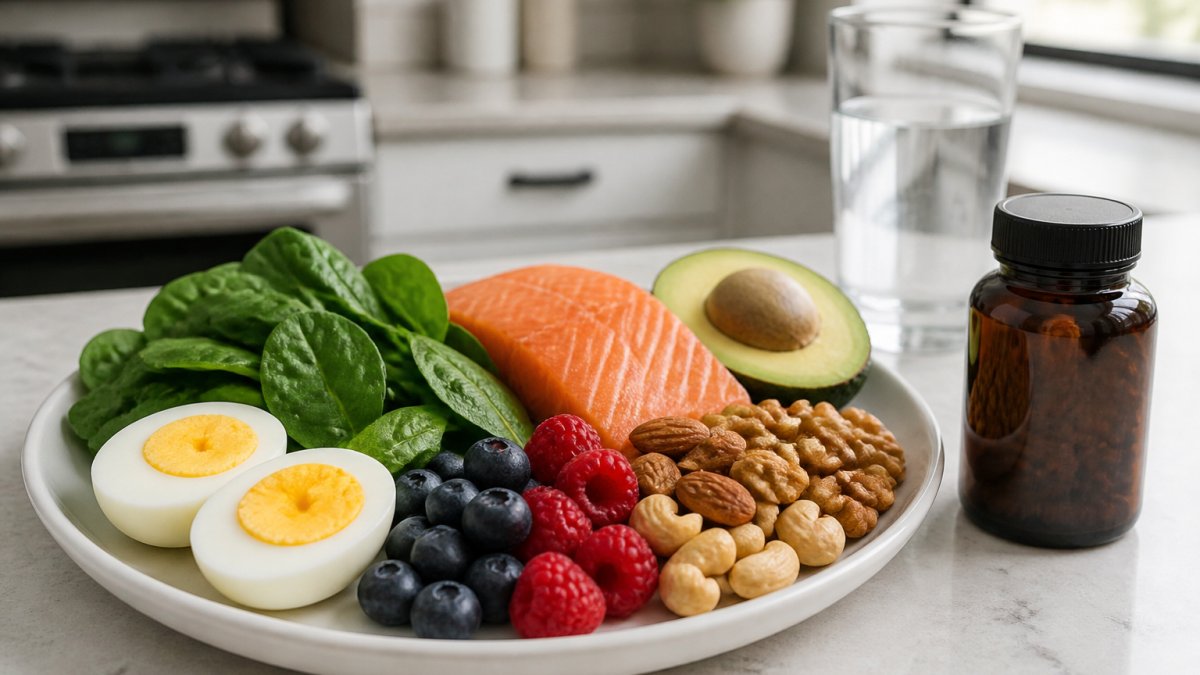
Whole foods provide nutrients in bioavailable forms and include cofactors that enhance absorption. However, GLP-1 medications can impact nutrient absorption, which may make food alone insufficient for some users. Supplements deliver concentrated doses and can use chelated or methylated forms (like methylcobalamin B12 or 5-MTHF folate). The ideal approach combines both: eat iron-rich foods (red meat, spinach), protein at every meal, and biotin sources (eggs, almonds), while supplementing with targeted formulas to fill potential gaps GLP-1 creates.
Should I use topical hair serums or take oral supplements, or both?
Both can work together. Oral supplements address systemic nutrient deficiencies that can cause telogen effluvium from the inside, supporting the metabolic conditions hair follicles need to stay in the growth phase. Topical serums like Grow Peptide Hair Growth Serum deliver peptides, amino acids, and botanical extracts directly to the scalp, supporting local blood flow and follicle signaling. Peptides (sh-Polypeptide-1, sh-Oligopeptide-10) support the appearance of thicker, stronger hair. Combined use may show visible thickening: oral supplements can help resolve underlying deficiencies while topical treatments can support cosmetic improvement. Apply serum daily to clean scalp, then take oral formulas consistently.
