

How to Fix Ozempic Face Naturally: 7 Steps
Table of Contents
- What Ozempic Face Is and Why It Happens
- How to Prevent Ozempic Face During Weight Loss
- Step 1: Slow Your Rate of Weight Loss
- Step 2: Prioritize Protein Intake and Balanced Nutrition
- Step 3: Does Hydration Help Ozempic Face
- Step 4: Support Collagen and Skin Quality with Targeted Supplements
- Step 5: How to Tighten Skin After Weight Loss
- Step 6: Use Skincare That Supports Firmness and Hydration
- Frequently Asked Questions
Last Updated: October 10, 2026
What Ozempic Face Is and Why It Happens
Ozempic face refers to the visible changes in facial appearance that can occur during rapid weight loss, particularly when using GLP-1 medications like semaglutide. The condition isn't a medical emergency, but it's a real concern for many people navigating their weight loss journey. Understanding what causes these changes is the first step toward learning how to fix ozempic face naturally and managing them effectively.
When you lose weight quickly, your face changes along with the rest of your body. The skin that once stretched across fuller cheeks and jawlines suddenly has less volume to support it. This creates a sunken appearance that can make someone look older or more tired than they feel. The good news is that you have real options to prevent or minimize them.
Facial Fat Loss and Volume Changes
Facial fat loss happens because your body draws energy from stored fat deposits throughout your body, including your face. Your face contains multiple layers of fat that give it shape, fullness, and definition. When these fat pads shrink, your cheekbones become more prominent, your under-eye area can appear hollow, and your jawline may look sharper than before.
The speed of weight loss matters significantly. Gradual weight loss allows your skin to adjust naturally. Rapid weight loss, however, doesn't give your skin time to adapt, so the volume loss becomes more noticeable. This is especially true with GLP-1 medications, which can accelerate weight loss in ways that challenge your skin's ability to keep pace.
The areas most affected tend to be:
- Under the eyes (creating a hollow look)
- Cheeks (losing that rounded fullness)
- Temples (appearing more sunken)
- Jawline (becoming overly sharp or angular)
Skin Elasticity and Collagen Loss
Beyond volume loss, your skin's structure itself changes during rapid weight loss. Collagen is the protein that keeps your skin firm, bouncy, and youthful-looking. When you lose weight quickly, your body breaks down collagen faster than it can rebuild it. This leads to skin laxity, where the skin appears loose or saggy because it has lost its natural elasticity.
Dehydration compounds this problem. GLP-1 medications can affect how much water your body retains, and rapid weight loss naturally depletes your hydration levels. When your skin is dehydrated, it becomes thinner and less resilient. Fine lines and wrinkles become more visible. The overall texture of your skin can feel rough or dull.
The aging effect happens because these changes mirror what naturally occurs with age: loss of volume, reduced collagen production, and decreased skin elasticity. That's why people often say they look older after rapid weight loss, even though they're healthier.
How to Prevent Ozempic Face During Weight Loss
Prevention is always easier than reversal. The best time to address facial changes is before they become pronounced. This means making intentional choices right now, while you're in the early stages of your weight loss journey.
The prevention strategy has three pillars: slowing your weight loss rate, supporting your skin from the inside out, and protecting your skin from external damage. Each pillar matters, and they work together. Skip one, and you'll notice the difference.
Start these habits immediately. Don't wait until you see visible changes. The people who have the best results are those who begin prevention early, before facial volume loss becomes noticeable.
Step 1: Slow Your Rate of Weight Loss
This is the single most important factor you can control. How fast you lose weight determines how much facial change you'll experience.
Rapid weight loss stresses your body in multiple ways. Your skin doesn't have time to adjust. Your body breaks down muscle along with fat. Your collagen production can't keep up with the demand.
Work with your prescriber to adjust your GLP-1 dose if necessary. Many people assume higher doses are always better, but slower, more sustainable weight loss produces better long-term results for your appearance. A loss of 1-2 pounds per week is sustainable and allows your skin to adjust naturally (the CDC).
You can also slow your weight loss by:
- Eating slightly more protein and calories on some days
- Reducing your exercise intensity temporarily
- Increasing your calorie intake gradually if you're losing too quickly
- Discussing dose adjustments with your doctor
The goal isn't to stop losing weight. It's to lose weight at a pace your skin can handle.
Step 2: Prioritize Protein Intake and Balanced Nutrition
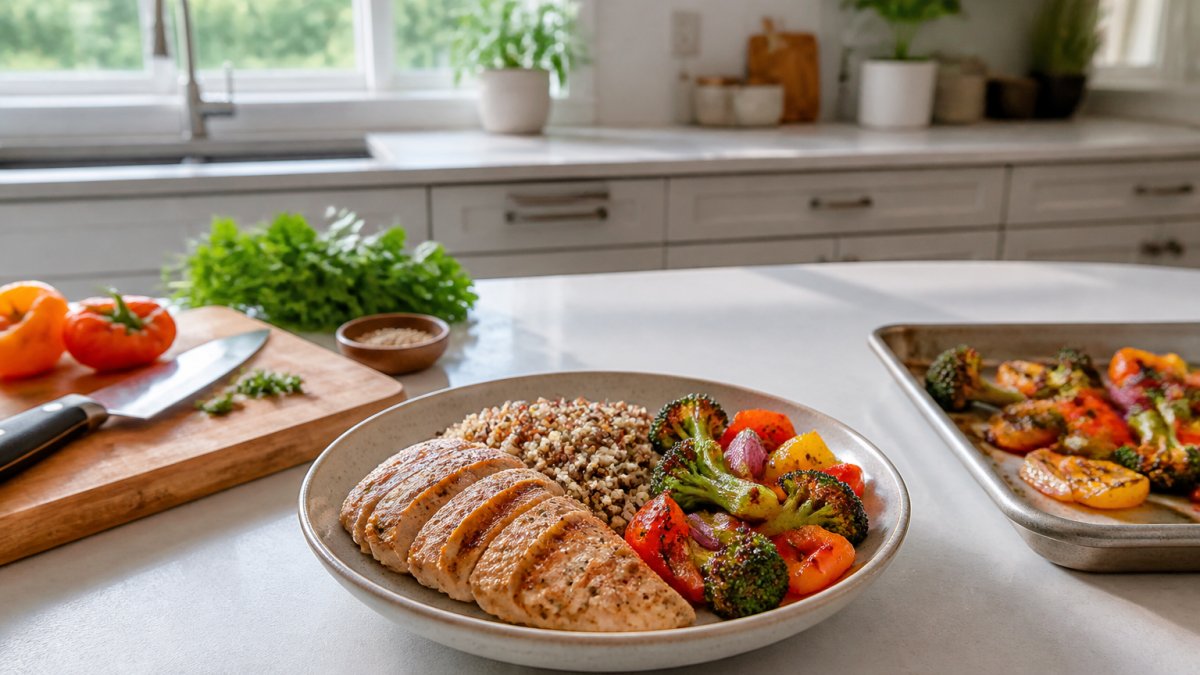
Protein is non-negotiable when you're trying to prevent facial aging during weight loss. Your skin, hair, and connective tissues are made of protein. If you're not eating enough, your body will break down muscle and skin quality to meet its needs.
Aim for 100-130 grams of protein daily, spread across your meals. This supports muscle preservation and provides the amino acids your body needs to maintain collagen and skin elasticity. When you're on a GLP-1 medication, your appetite is already suppressed, so you need to make every calorie count.
High-quality protein sources include:
- Grilled chicken and turkey
- Fish and seafood (rich in omega-3s)
- Eggs and egg whites
- Greek yogurt and cottage cheese
- Lean beef
- Plant-based options like lentils and tofu
Consider adding a protein shake to your routine. Afterglow's Hold Performance Whey Protein Blend delivers 22 grams of protein per serving and is specifically formulated for people managing weight loss.

Beyond protein, focus on nutrient-dense foods that support skin health. Vitamin C supports collagen production. Zinc supports skin repair. Iron carries oxygen to your skin. B vitamins support energy and skin metabolism.
Step 3: Does Hydration Help Ozempic Face
Yes. Hydration directly impacts how your skin looks during weight loss, and it's one of the easiest interventions you can control.
When you're dehydrated, your skin appears thinner, more wrinkled, and less plump. Fine lines become more visible. Your skin texture becomes rough. During rapid weight loss, dehydration is common because your body is shifting how it retains water. GLP-1 medications can also affect your fluid balance.
Drink at least 80-100 ounces of water daily. More if you're exercising or live in a dry climate. Spread your water intake throughout the day rather than drinking it all at once. Your body can only absorb so much water at one time, so consistent hydration matters more than occasional large amounts.
Signs you're not drinking enough water:
- Dark urine (should be pale yellow)
- Dry mouth and lips
- Fatigue and brain fog
- Skin feeling tight or dull
- Increased fine lines
Electrolytes matter too. When you lose weight and increase your water intake, you can dilute your electrolyte balance. Include foods with potassium (bananas, sweet potatoes, spinach) and consider a balanced electrolyte supplement if you're exercising heavily.
Step 4: Support Collagen and Skin Quality with Targeted Supplements
Your body needs specific nutrients to maintain collagen production and skin elasticity during weight loss. While a balanced diet provides the foundation, targeted supplements fill the gaps that diet alone can't cover.
Biotin supports hair and skin health. Studies show that biotin supplementation can improve skin quality and reduce skin sensitivity. Vitamin C is essential for collagen synthesis, meaning your body literally cannot build new collagen without adequate vitamin C. Hyaluronic acid attracts and holds water in your skin, keeping it plump and hydrated.
Afterglow's Renew Hair, Skin and Nails Essentials includes biotin, vitamin C, zinc, and a proprietary herbal blend designed specifically for people managing weight loss. At $32.90, it's formulated to address the nutritional gaps that GLP-1 users commonly experience.

Additional supplements to consider:
- Collagen peptides: 10-20 grams daily supports skin elasticity
- Hyaluronic acid: Supports skin hydration from within
- Omega-3 supplements: Support skin barrier function
- Vitamin D: Supports skin cell turnover and immune function
Take these supplements consistently. Results take 8-12 weeks to become visible. Don't expect overnight changes. Skin health is built over time through consistent nutrition and supplementation.
Step 5: How to Tighten Skin After Weight Loss
If you've already experienced facial volume loss and loose skin, you have several options. Some work better than others, and combining approaches typically produces the best results.
Skincare-based approaches are the first line. These can improve skin texture and firmness without invasive procedures. They work by supporting your skin's natural collagen production and hydration.
Professional treatments range from non-invasive to surgical. Dermal fillers restore lost volume. Biostimulators stimulate your body's own collagen production. Radiofrequency and microneedling treatments tighten skin by triggering collagen remodeling. Facelift surgery is the most invasive option and addresses significant skin laxity.
The right choice depends on:
- How much volume you've lost
- Your budget
- How quickly you want results
- Your comfort level with procedures
Start with skincare and supplements. Many people see meaningful improvement in skin firmness and appearance without moving to professional treatments. If you do pursue treatments, do so after you've reached your goal weight and maintained it for 3-6 months.
Step 6: Use Skincare That Supports Firmness and Hydration
Your daily skincare routine directly impacts how your skin looks during weight loss. The right products can minimize the appearance of fine lines, improve skin texture, and support collagen production.
Look for skincare with these active ingredients:
- DMAE: Supports skin firmness and tone
- Hyaluronic acid: Hydrates and plumps skin
- Vitamin C: Supports collagen production and brightens skin
- Retinol or retinoids: Stimulate collagen remodeling
- Peptides: Support skin structure and firmness
- Niacinamide: Strengthens skin barrier and reduces fine lines
Afterglow's Renew Skin Firming Cream combines DMAE, hyaluronic acid, and coenzyme Q10 to address the specific concerns of people experiencing facial changes during weight loss.

Apply your skincare consistently, twice daily. Morning routine should include a hydrating moisturizer and sunscreen (sun damage accelerates aging and collagen breakdown). Evening routine should include a cleanse, active treatment product, and richer moisturizer.
Don't expect overnight results. Skin takes 4-6 weeks to show visible changes from new products. Give your routine at least 8 weeks before deciding if it's working.
Learning how to fix ozempic face naturally takes time and consistency, but it's absolutely achievable. Afterglow's system of supplements and skincare products is designed to support people navigating this exact situation. Shop the collection and give your skin the support it needs during your weight loss journey.
Frequently Asked Questions
Can you reverse the effects of Ozempic face naturally?
Partial reversal is possible through natural approaches, but results depend on how much facial volume was lost and how quickly. Slowing weight loss, supporting collagen production through nutrition and supplements, and maintaining hydration can help preserve remaining skin elasticity and firmness. However, significant volume loss from rapid weight loss may require professional treatments like dermal fillers or biostimulators to fully restore facial fullness. Natural methods work best when started early or combined with medical approaches.
How quickly will I see results from natural remedies for Ozempic face?
Most people notice improvements in skin hydration and texture within 2-4 weeks of consistent hydration and skincare use. Collagen-supportive supplements and protein intake typically show visible effects on skin firmness and hair quality over 8-12 weeks. However, individual results vary significantly based on age, genetics, how rapidly weight was lost, and overall skin health. Natural approaches prevent further decline and support gradual improvement rather than dramatic reversal.
Is it safe to take supplements for Ozempic face while on semaglutide?
Most supplements designed for skin, hair, and nutritional support are safe alongside GLP-1 medications, but always coordinate with your prescriber first. Supplements containing biotin, collagen, protein, and hydration support don't interact with semaglutide. However, your doctor should review your full supplement routine to ensure no conflicts with your specific medications or health conditions. Afterglow's formulas are designed specifically for GLP-1 users and third-party tested for safety and purity.
What's the difference between facial fat loss, loose skin, and dehydration in Ozempic face?
Facial fat loss is permanent volume reduction under the skin from rapid weight loss, creating hollow cheeks or sunken appearance. Loose skin happens when skin elasticity declines and doesn't tighten after volume loss, causing sagging or wrinkles. Dehydration makes skin appear dull, thin, and more lined temporarily but improves quickly with hydration. Natural approaches address all three: slowing weight loss preserves fat, hydration and collagen support improve elasticity, and protein intake supports skin health. However, significant fat loss may ultimately require fillers or surgery to fully restore volume.